Buy astrologieforum.eu ?
We are moving the project
astrologieforum.eu .
Are you interested in purchasing the domain
astrologieforum.eu ?
domain@kv-gmbh.de · 0541-91531010
Buy astrologieforum.eu ?
What is the structure of the phospholipid bilayer?
The phospholipid bilayer is composed of two layers of phospholipid molecules arranged in a double layer. Each phospholipid molecule has a hydrophilic (water-attracting) head and two hydrophobic (water-repelling) tails. In the bilayer, the hydrophilic heads face outward towards the aqueous environment while the hydrophobic tails face inward, creating a barrier that separates the inside and outside of the cell. This structure provides the cell membrane with its selective permeability and fluidity. **
What is the polarity of the phospholipid head?
The polarity of the phospholipid head is hydrophilic, meaning it is attracted to water. This is because the head contains a phosphate group, which is polar and has a negative charge. As a result, the phospholipid head is able to interact with water molecules, while the nonpolar tails are repelled by water. This property allows phospholipids to form the basic structure of cell membranes, with the hydrophilic heads facing outward towards the watery environment and the hydrophobic tails facing inward. **

Similar search terms for Phospholipid
Top-Angebote
Products related to Phospholipid:
-
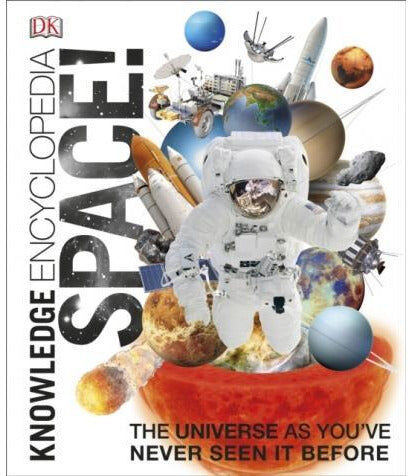
Dorling Kindersley DK Knowledge Encyclopedia Space The Ultimate Space & Astronomy Reference Guide for Kids and Families - Planets, Stars, Galaxies & the Universe ExplainExplore the wonders of the universe with the DK Knowledge Encyclopedia Space, an inspiring and visually stunning guide to outer space.Packed with high-definition photographs, 3D illustrations, infographics, facts, timelines, and scientific explanations, this encyclopedia takes readers on an unforgettable journey from Earth to the farthest reaches of the cosmos. Perfect for curious readers, young astronomers, and space enthusiasts, this book explains: The solar system, planets, moons, and dwarf planets Stars, nebulas, black holes, galaxies & cosmic phenomena Space exploration, astronauts & spacecraft The Big Bang, universe evolution & future missions The latest science discoveries explained in kid-friendly language A brilliant educational book for STEM learners, classrooms, home libraries, and children aged 8–14 who love space.9,99 £*Shipping: 2,99 £Secure redirect to the provider
-
Arcturus Children's Encyclopedia of Space by Giles Sparrow Visual Guide to the Universe, Planets, Stars & Solar System Astronomy Reference Book for KidsJourney beyond Earth and discover the wonders of the cosmos with Children's Encyclopedia of Space: A Visual Guide to the Universe by Giles Sparrow. Part of the Arcturus Children's Reference Library, this engaging visual encyclopedia introduces young readers to the fascinating world of space, astronomy and the universe. Explore the Solar System, planets, moons, stars, galaxies and other extraordinary objects in space while developing an understanding of the vast universe beyond our planet. Presented as an accessible visual reference guide, the book makes complex astronomical topics engaging and easier for young readers to explore. Ideal for children fascinated by planets, stars, space exploration and astronomy, this encyclopedia encourages curiosity and provides a useful resource for independent reading, homework, school projects and general knowledge. Whether learning about our neighbouring planets or exploring the mysteries of distant stars and galaxies, Children's Encyclopedia of Space is a valuable addition to any young space enthusiast's bookshelf. Key Features Engaging children's space encyclopedia Written by astronomy author Giles Sparrow A visual guide to the universe and outer space Explores planets, stars, moons, galaxies and the Solar System Introduces astronomy in an accessible format for young readers Ideal for school projects, homework and independent learning Part of the Arcturus Children's Reference Library Excellent educational gift for young space and science enthusiasts5,99 £*Shipping: 2,99 £Secure redirect to the provider
-
Funko Pop! Vinyl - Zodiac - LibraThis Funko Pop! Vinyl figure represents the Libra sign from the official Zodiac collection. It's designed in the trademark bobblehead format with a large head and body contrast that defines the brand's collectible identity. As part of a comprehensive astrological set, collectors may seek this piece to complete their horoscope lineup alongside the other star signs. The sturdy vinyl construction ensures longevity while maintaining a smooth finish suitable for daily viewing. This figure is a joyful representation of astrology, perfect for those born between September and October who are fans of the zodiac. It arrives pre-assembled in original packaging, making it ready for display or immediate unpacking. The figure's proportions align with standard Funko measurements, making it compatible with protective display cubes and shelving systems.13,06 £*Shipping: 3,95 £Secure redirect to the provider


-
What is the phospholipid double layer of the retrovirus?
The phospholipid double layer of the retrovirus is a lipid bilayer that surrounds the viral particle. This lipid bilayer is derived from the host cell membrane during the process of viral budding. It contains various viral proteins, including the envelope glycoprotein, which allows the virus to attach to and enter host cells. The phospholipid double layer plays a crucial role in protecting the viral genome and facilitating the virus's entry into host cells. **
-
Why do lipids form micelles or phospholipid bilayers in water?
Lipids form micelles or phospholipid bilayers in water due to their amphipathic nature. This means that they have both hydrophobic (water-repelling) and hydrophilic (water-attracting) regions. In water, the hydrophobic tails of the lipids cluster together to minimize contact with water, while the hydrophilic heads interact with the water molecules. This self-assembly into micelles or bilayers allows the lipids to create stable structures that can effectively sequester their hydrophobic tails away from water, providing a favorable energetically stable state. This is essential for the formation of cell membranes and the encapsulation of hydrophobic molecules within the body. **
-
How do fat and phospholipid molecules behave when placed in water?
Fat molecules are hydrophobic, meaning they repel water and tend to clump together to minimize their contact with water. On the other hand, phospholipid molecules have both hydrophobic and hydrophilic regions. When placed in water, phospholipids arrange themselves in a bilayer with the hydrophobic tails facing inward and the hydrophilic heads facing outward, forming a stable structure such as a cell membrane. This behavior is due to the amphipathic nature of phospholipids, allowing them to interact with both water and nonpolar substances. **
-
What is the arrangement of phospholipid molecules in a soap bubble?
In a soap bubble, the phospholipid molecules arrange themselves in a double layer called a lipid bilayer. The hydrophilic (water-attracting) heads of the phospholipids are oriented towards the water, while the hydrophobic (water-repelling) tails are oriented towards the interior of the bubble. This arrangement allows the soap bubble to trap air inside the lipid bilayer, creating a thin film that gives the bubble its structure and stability. **


Which zodiac sign, according to horoscope and astrology, is best at dealing with and raising children?
According to horoscope and astrology, Cancer is often considered the best zodiac sign for dealing with and raising children. Cancers are known for their nurturing and caring nature, making them natural caregivers. They are also highly intuitive and empathetic, allowing them to understand and connect with their children on a deep level. Cancers are also known for their strong sense of family and home, creating a stable and loving environment for their children to thrive in. **
Are stars planets?
No, stars are not planets. Stars are massive celestial bodies that produce light and heat through nuclear fusion, while planets are smaller celestial bodies that orbit around stars. Stars are much larger and hotter than planets, and they are the primary sources of light and energy in a solar system. **
Top-Angebote
Products related to Phospholipid:
-
MDA Rugs Kids Collection Stars, Planets, & Cheerful Animals Navy RugTransform your child's play area into a colorful and engaging space with this captivating Kids Area Rug. It features a brilliant blue backdrop adorned with adorable stars, cheerful animals, and planets.150,49 $*Shipping: 0,00 $Secure redirect to the provider
-
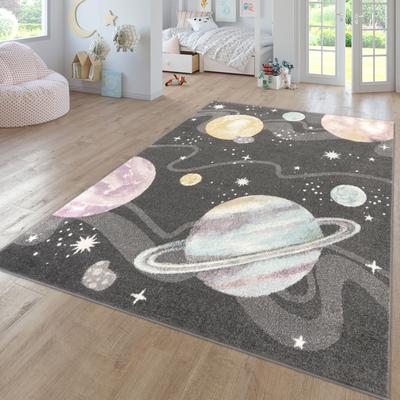
Paco Home Kids Rug Space with Planets and Stars in Pastel ColorsFuel your child's imagination with this space rug in different pastel colors. Featuring planets, stars and flowing swirls, the rug creates a muted yet comfortable space for your kids to rest or play.94,82 $*Shipping: 0,00 $Secure redirect to the provider
-
Dorling Kindersley DK Knowledge Encyclopedia Space The Ultimate Space & Astronomy Reference Guide for Kids and Families - Planets, Stars, Galaxies & the Universe ExplainExplore the wonders of the universe with the DK Knowledge Encyclopedia Space, an inspiring and visually stunning guide to outer space.Packed with high-definition photographs, 3D illustrations, infographics, facts, timelines, and scientific explanations, this encyclopedia takes readers on an unforgettable journey from Earth to the farthest reaches of the cosmos. Perfect for curious readers, young astronomers, and space enthusiasts, this book explains: The solar system, planets, moons, and dwarf planets Stars, nebulas, black holes, galaxies & cosmic phenomena Space exploration, astronauts & spacecraft The Big Bang, universe evolution & future missions The latest science discoveries explained in kid-friendly language A brilliant educational book for STEM learners, classrooms, home libraries, and children aged 8–14 who love space.9,99 £*Shipping: 2,99 £Secure redirect to the provider
-
What is the structure of the phospholipid bilayer?
The phospholipid bilayer is composed of two layers of phospholipid molecules arranged in a double layer. Each phospholipid molecule has a hydrophilic (water-attracting) head and two hydrophobic (water-repelling) tails. In the bilayer, the hydrophilic heads face outward towards the aqueous environment while the hydrophobic tails face inward, creating a barrier that separates the inside and outside of the cell. This structure provides the cell membrane with its selective permeability and fluidity. **
-
What is the polarity of the phospholipid head?
The polarity of the phospholipid head is hydrophilic, meaning it is attracted to water. This is because the head contains a phosphate group, which is polar and has a negative charge. As a result, the phospholipid head is able to interact with water molecules, while the nonpolar tails are repelled by water. This property allows phospholipids to form the basic structure of cell membranes, with the hydrophilic heads facing outward towards the watery environment and the hydrophobic tails facing inward. **
-
What is the phospholipid double layer of the retrovirus?
The phospholipid double layer of the retrovirus is a lipid bilayer that surrounds the viral particle. This lipid bilayer is derived from the host cell membrane during the process of viral budding. It contains various viral proteins, including the envelope glycoprotein, which allows the virus to attach to and enter host cells. The phospholipid double layer plays a crucial role in protecting the viral genome and facilitating the virus's entry into host cells. **
-
Why do lipids form micelles or phospholipid bilayers in water?
Lipids form micelles or phospholipid bilayers in water due to their amphipathic nature. This means that they have both hydrophobic (water-repelling) and hydrophilic (water-attracting) regions. In water, the hydrophobic tails of the lipids cluster together to minimize contact with water, while the hydrophilic heads interact with the water molecules. This self-assembly into micelles or bilayers allows the lipids to create stable structures that can effectively sequester their hydrophobic tails away from water, providing a favorable energetically stable state. This is essential for the formation of cell membranes and the encapsulation of hydrophobic molecules within the body. **
Similar search terms for Phospholipid
-
Arcturus Children's Encyclopedia of Space by Giles Sparrow Visual Guide to the Universe, Planets, Stars & Solar System Astronomy Reference Book for KidsJourney beyond Earth and discover the wonders of the cosmos with Children's Encyclopedia of Space: A Visual Guide to the Universe by Giles Sparrow. Part of the Arcturus Children's Reference Library, this engaging visual encyclopedia introduces young readers to the fascinating world of space, astronomy and the universe. Explore the Solar System, planets, moons, stars, galaxies and other extraordinary objects in space while developing an understanding of the vast universe beyond our planet. Presented as an accessible visual reference guide, the book makes complex astronomical topics engaging and easier for young readers to explore. Ideal for children fascinated by planets, stars, space exploration and astronomy, this encyclopedia encourages curiosity and provides a useful resource for independent reading, homework, school projects and general knowledge. Whether learning about our neighbouring planets or exploring the mysteries of distant stars and galaxies, Children's Encyclopedia of Space is a valuable addition to any young space enthusiast's bookshelf. Key Features Engaging children's space encyclopedia Written by astronomy author Giles Sparrow A visual guide to the universe and outer space Explores planets, stars, moons, galaxies and the Solar System Introduces astronomy in an accessible format for young readers Ideal for school projects, homework and independent learning Part of the Arcturus Children's Reference Library Excellent educational gift for young space and science enthusiasts5,99 £*Shipping: 2,99 £Secure redirect to the provider
-
Funko Pop! Vinyl - Zodiac - LibraThis Funko Pop! Vinyl figure represents the Libra sign from the official Zodiac collection. It's designed in the trademark bobblehead format with a large head and body contrast that defines the brand's collectible identity. As part of a comprehensive astrological set, collectors may seek this piece to complete their horoscope lineup alongside the other star signs. The sturdy vinyl construction ensures longevity while maintaining a smooth finish suitable for daily viewing. This figure is a joyful representation of astrology, perfect for those born between September and October who are fans of the zodiac. It arrives pre-assembled in original packaging, making it ready for display or immediate unpacking. The figure's proportions align with standard Funko measurements, making it compatible with protective display cubes and shelving systems.13,06 £*Shipping: 3,95 £Secure redirect to the provider
-
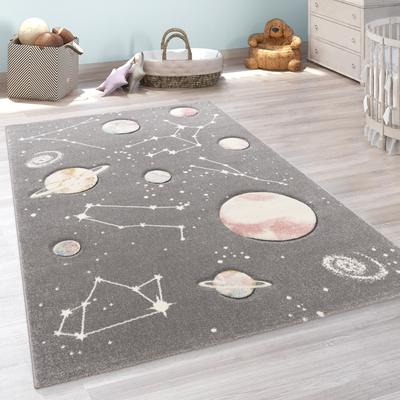
Paco Home Kids Rug Space with Planets and Stars in Pastel ColorsFuel your child's imagination with this space rug in different pastel colors. Featuring planets, stars and flowing swirls, the rug creates a muted yet comfortable space for your kids to rest or play.66,49 $*Shipping: 0,00 $Secure redirect to the provider
-
How do fat and phospholipid molecules behave when placed in water?
Fat molecules are hydrophobic, meaning they repel water and tend to clump together to minimize their contact with water. On the other hand, phospholipid molecules have both hydrophobic and hydrophilic regions. When placed in water, phospholipids arrange themselves in a bilayer with the hydrophobic tails facing inward and the hydrophilic heads facing outward, forming a stable structure such as a cell membrane. This behavior is due to the amphipathic nature of phospholipids, allowing them to interact with both water and nonpolar substances. **
-
What is the arrangement of phospholipid molecules in a soap bubble?
In a soap bubble, the phospholipid molecules arrange themselves in a double layer called a lipid bilayer. The hydrophilic (water-attracting) heads of the phospholipids are oriented towards the water, while the hydrophobic (water-repelling) tails are oriented towards the interior of the bubble. This arrangement allows the soap bubble to trap air inside the lipid bilayer, creating a thin film that gives the bubble its structure and stability. **
-
Which zodiac sign, according to horoscope and astrology, is best at dealing with and raising children?
According to horoscope and astrology, Cancer is often considered the best zodiac sign for dealing with and raising children. Cancers are known for their nurturing and caring nature, making them natural caregivers. They are also highly intuitive and empathetic, allowing them to understand and connect with their children on a deep level. Cancers are also known for their strong sense of family and home, creating a stable and loving environment for their children to thrive in. **
-
Are stars planets?
No, stars are not planets. Stars are massive celestial bodies that produce light and heat through nuclear fusion, while planets are smaller celestial bodies that orbit around stars. Stars are much larger and hotter than planets, and they are the primary sources of light and energy in a solar system. **
* All prices are inclusive of VAT and, if applicable, plus shipping costs. The offer information is based on the details provided by the respective shop and is updated through automated processes. Real-time updates do not occur, so deviations can occur in individual cases. ** Note: Parts of this content were created by AI.