Buy astrologieforum.eu ?
We are moving the project
astrologieforum.eu .
Are you interested in purchasing the domain
astrologieforum.eu ?
domain@kv-gmbh.de · 0541-91531010
Buy astrologieforum.eu ?
How is the partitive formed?
The partitive is formed in French by using the preposition "de" followed by the definite article "le," "la," or "les." This combination contracts to form "du," "de la," or "des" before a singular or plural noun, respectively. For example, "some bread" is "du pain" and "some apples" is "des pommes." The partitive is used to indicate an unspecified quantity or portion of a mass noun. **
What is the French partitive article?
The French partitive article is used to indicate an unspecified quantity of a noun that cannot be counted. It is formed by combining the preposition "de" with the definite article corresponding to the noun's gender and number. For example, "du" is used with masculine singular nouns, "de la" with feminine singular nouns, and "des" with plural nouns. The partitive article is used in French to express concepts like some, any, or a part of something. **
Similar search terms for Partitive
Top-Angebote
Products related to Partitive:
-
Dorling Kindersley DK Knowledge Encyclopedia Space The Ultimate Space & Astronomy Reference Guide for Kids and Families - Planets, Stars, Galaxies & the Universe ExplainExplore the wonders of the universe with the DK Knowledge Encyclopedia Space, an inspiring and visually stunning guide to outer space.Packed with high-definition photographs, 3D illustrations, infographics, facts, timelines, and scientific explanations, this encyclopedia takes readers on an unforgettable journey from Earth to the farthest reaches of the cosmos. Perfect for curious readers, young astronomers, and space enthusiasts, this book explains: The solar system, planets, moons, and dwarf planets Stars, nebulas, black holes, galaxies & cosmic phenomena Space exploration, astronauts & spacecraft The Big Bang, universe evolution & future missions The latest science discoveries explained in kid-friendly language A brilliant educational book for STEM learners, classrooms, home libraries, and children aged 8–14 who love space.9,99 £*Shipping: 2,99 £Secure redirect to the provider
-
Arcturus Children's Encyclopedia of Space by Giles Sparrow Visual Guide to the Universe, Planets, Stars & Solar System Astronomy Reference Book for KidsJourney beyond Earth and discover the wonders of the cosmos with Children's Encyclopedia of Space: A Visual Guide to the Universe by Giles Sparrow. Part of the Arcturus Children's Reference Library, this engaging visual encyclopedia introduces young readers to the fascinating world of space, astronomy and the universe. Explore the Solar System, planets, moons, stars, galaxies and other extraordinary objects in space while developing an understanding of the vast universe beyond our planet. Presented as an accessible visual reference guide, the book makes complex astronomical topics engaging and easier for young readers to explore. Ideal for children fascinated by planets, stars, space exploration and astronomy, this encyclopedia encourages curiosity and provides a useful resource for independent reading, homework, school projects and general knowledge. Whether learning about our neighbouring planets or exploring the mysteries of distant stars and galaxies, Children's Encyclopedia of Space is a valuable addition to any young space enthusiast's bookshelf. Key Features Engaging children's space encyclopedia Written by astronomy author Giles Sparrow A visual guide to the universe and outer space Explores planets, stars, moons, galaxies and the Solar System Introduces astronomy in an accessible format for young readers Ideal for school projects, homework and independent learning Part of the Arcturus Children's Reference Library Excellent educational gift for young space and science enthusiasts5,99 £*Shipping: 2,99 £Secure redirect to the provider
-
Funko Pop! Vinyl - Zodiac - LibraThis Funko Pop! Vinyl figure represents the Libra sign from the official Zodiac collection. It's designed in the trademark bobblehead format with a large head and body contrast that defines the brand's collectible identity. As part of a comprehensive astrological set, collectors may seek this piece to complete their horoscope lineup alongside the other star signs. The sturdy vinyl construction ensures longevity while maintaining a smooth finish suitable for daily viewing. This figure is a joyful representation of astrology, perfect for those born between September and October who are fans of the zodiac. It arrives pre-assembled in original packaging, making it ready for display or immediate unpacking. The figure's proportions align with standard Funko measurements, making it compatible with protective display cubes and shelving systems.12,29 £*Shipping: 3,95 £Secure redirect to the provider
-
Dovelina Zodiac Metal Privacy Screen PanelAdd modern elegance and privacy to your space with our Privacy Screen Divider. Featuring an elegant pattern design, this screen enhances the aesthetics of indoor and outdoor areas while providing privacy protection.338,49 $*Shipping: 0,00 $Secure redirect to the provider




-
What is the rule for the partitive article?
The rule for the partitive article in French is to use "de" followed by the definite article (le, la, les) to indicate an unspecified quantity or some of a mass noun. For example, "du" is used for masculine singular nouns, "de la" for feminine singular nouns, and "des" for plural nouns. The partitive article is used when referring to an unknown or unspecified quantity of something. **
-
What are partitive articles in the French language?
Partitive articles in French are used to indicate an unspecified quantity of a noun. They are used when referring to a portion or some of a mass noun, such as food or liquid. The partitive articles in French are "du" (for masculine nouns), "de la" (for feminine nouns), and "de l'" (for nouns starting with a vowel or silent "h"). These articles are essential for expressing the concept of some or any in French. **
-
How do you form the genitive partitive in Latin?
In Latin, the genitive partitive is formed by using the genitive case of the noun followed by the word "partis" or "partis" (depending on the gender of the noun) to indicate a part of the whole. For example, if the noun is "puella" (girl), the genitive partitive would be "puellae partis" to indicate "part of the girl." This construction is used to express the idea of "some of" or "a part of" something. **
-
Can you please help me with the partitive article?
The partitive article is used in French to indicate an unspecified quantity of something. It is often used with uncountable nouns to express "some" or "any" in English. The partitive article changes depending on the gender and number of the noun it precedes. For example, "du" is used before masculine singular nouns, "de la" before feminine singular nouns, and "des" before plural nouns. It is important to use the correct partitive article to indicate the appropriate quantity in French. **

What are partitive articles and quantity increases in French?
Partitive articles in French are used to indicate an unspecified quantity of a noun. They are used with uncountable nouns or when referring to a portion of something. Quantity increases in French involve using words like "plus de" (more), "beaucoup de" (a lot of), or "trop de" (too much) to indicate an increase in the quantity of something. These expressions are used to specify a larger amount of a noun compared to using just the partitive article. **
When do you use the partitive article in French?
The partitive article in French is used to indicate an unspecified quantity of a mass noun. It is used when referring to a part of a whole, or an unspecified amount of something. For example, "du" is used for masculine nouns, "de la" for feminine nouns, and "de l'" for nouns starting with a vowel or silent "h". It is important to use the partitive article when talking about food, drinks, or other uncountable nouns in French. **
Top-Angebote
Products related to Partitive:
-
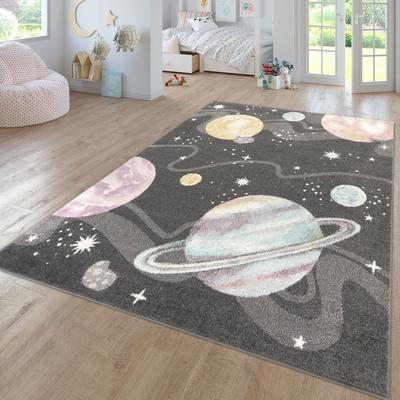
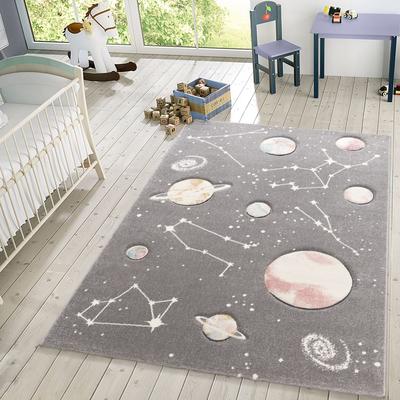
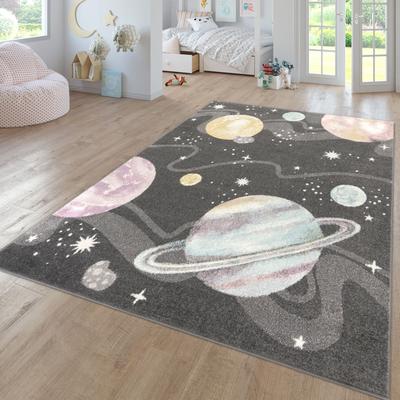
Paco Home Kids Rug Space with Planets and Stars in Pastel ColorsFuel your child's imagination with this space rug in different pastel colors. Featuring planets, stars and flowing swirls, the rug creates a muted yet comfortable space for your kids to rest or play.52,49 $*Shipping: 0,00 $Secure redirect to the provider
-
Dorling Kindersley DK Knowledge Encyclopedia Space The Ultimate Space & Astronomy Reference Guide for Kids and Families - Planets, Stars, Galaxies & the Universe ExplainExplore the wonders of the universe with the DK Knowledge Encyclopedia Space, an inspiring and visually stunning guide to outer space.Packed with high-definition photographs, 3D illustrations, infographics, facts, timelines, and scientific explanations, this encyclopedia takes readers on an unforgettable journey from Earth to the farthest reaches of the cosmos. Perfect for curious readers, young astronomers, and space enthusiasts, this book explains: The solar system, planets, moons, and dwarf planets Stars, nebulas, black holes, galaxies & cosmic phenomena Space exploration, astronauts & spacecraft The Big Bang, universe evolution & future missions The latest science discoveries explained in kid-friendly language A brilliant educational book for STEM learners, classrooms, home libraries, and children aged 8–14 who love space.9,99 £*Shipping: 2,99 £Secure redirect to the provider
-
Arcturus Children's Encyclopedia of Space by Giles Sparrow Visual Guide to the Universe, Planets, Stars & Solar System Astronomy Reference Book for KidsJourney beyond Earth and discover the wonders of the cosmos with Children's Encyclopedia of Space: A Visual Guide to the Universe by Giles Sparrow. Part of the Arcturus Children's Reference Library, this engaging visual encyclopedia introduces young readers to the fascinating world of space, astronomy and the universe. Explore the Solar System, planets, moons, stars, galaxies and other extraordinary objects in space while developing an understanding of the vast universe beyond our planet. Presented as an accessible visual reference guide, the book makes complex astronomical topics engaging and easier for young readers to explore. Ideal for children fascinated by planets, stars, space exploration and astronomy, this encyclopedia encourages curiosity and provides a useful resource for independent reading, homework, school projects and general knowledge. Whether learning about our neighbouring planets or exploring the mysteries of distant stars and galaxies, Children's Encyclopedia of Space is a valuable addition to any young space enthusiast's bookshelf. Key Features Engaging children's space encyclopedia Written by astronomy author Giles Sparrow A visual guide to the universe and outer space Explores planets, stars, moons, galaxies and the Solar System Introduces astronomy in an accessible format for young readers Ideal for school projects, homework and independent learning Part of the Arcturus Children's Reference Library Excellent educational gift for young space and science enthusiasts5,99 £*Shipping: 2,99 £Secure redirect to the provider
-
How is the partitive formed?
The partitive is formed in French by using the preposition "de" followed by the definite article "le," "la," or "les." This combination contracts to form "du," "de la," or "des" before a singular or plural noun, respectively. For example, "some bread" is "du pain" and "some apples" is "des pommes." The partitive is used to indicate an unspecified quantity or portion of a mass noun. **
-
What is the French partitive article?
The French partitive article is used to indicate an unspecified quantity of a noun that cannot be counted. It is formed by combining the preposition "de" with the definite article corresponding to the noun's gender and number. For example, "du" is used with masculine singular nouns, "de la" with feminine singular nouns, and "des" with plural nouns. The partitive article is used in French to express concepts like some, any, or a part of something. **
-
What is the rule for the partitive article?
The rule for the partitive article in French is to use "de" followed by the definite article (le, la, les) to indicate an unspecified quantity or some of a mass noun. For example, "du" is used for masculine singular nouns, "de la" for feminine singular nouns, and "des" for plural nouns. The partitive article is used when referring to an unknown or unspecified quantity of something. **
-
What are partitive articles in the French language?
Partitive articles in French are used to indicate an unspecified quantity of a noun. They are used when referring to a portion or some of a mass noun, such as food or liquid. The partitive articles in French are "du" (for masculine nouns), "de la" (for feminine nouns), and "de l'" (for nouns starting with a vowel or silent "h"). These articles are essential for expressing the concept of some or any in French. **
Similar search terms for Partitive
-
Funko Pop! Vinyl - Zodiac - LibraThis Funko Pop! Vinyl figure represents the Libra sign from the official Zodiac collection. It's designed in the trademark bobblehead format with a large head and body contrast that defines the brand's collectible identity. As part of a comprehensive astrological set, collectors may seek this piece to complete their horoscope lineup alongside the other star signs. The sturdy vinyl construction ensures longevity while maintaining a smooth finish suitable for daily viewing. This figure is a joyful representation of astrology, perfect for those born between September and October who are fans of the zodiac. It arrives pre-assembled in original packaging, making it ready for display or immediate unpacking. The figure's proportions align with standard Funko measurements, making it compatible with protective display cubes and shelving systems.12,29 £*Shipping: 3,95 £Secure redirect to the provider
-
Dovelina Zodiac Metal Privacy Screen PanelAdd modern elegance and privacy to your space with our Privacy Screen Divider. Featuring an elegant pattern design, this screen enhances the aesthetics of indoor and outdoor areas while providing privacy protection.338,49 $*Shipping: 0,00 $Secure redirect to the provider
-
Paco Home Kids Rug Space with Planets and Stars in Pastel ColorsFuel your child's imagination with this space rug in different pastel colors. Featuring planets, stars and flowing swirls, the rug creates a muted yet comfortable space for your kids to rest or play.72,99 $*Shipping: 0,00 $Secure redirect to the provider
-
How do you form the genitive partitive in Latin?
In Latin, the genitive partitive is formed by using the genitive case of the noun followed by the word "partis" or "partis" (depending on the gender of the noun) to indicate a part of the whole. For example, if the noun is "puella" (girl), the genitive partitive would be "puellae partis" to indicate "part of the girl." This construction is used to express the idea of "some of" or "a part of" something. **
-
Can you please help me with the partitive article?
The partitive article is used in French to indicate an unspecified quantity of something. It is often used with uncountable nouns to express "some" or "any" in English. The partitive article changes depending on the gender and number of the noun it precedes. For example, "du" is used before masculine singular nouns, "de la" before feminine singular nouns, and "des" before plural nouns. It is important to use the correct partitive article to indicate the appropriate quantity in French. **
-
What are partitive articles and quantity increases in French?
Partitive articles in French are used to indicate an unspecified quantity of a noun. They are used with uncountable nouns or when referring to a portion of something. Quantity increases in French involve using words like "plus de" (more), "beaucoup de" (a lot of), or "trop de" (too much) to indicate an increase in the quantity of something. These expressions are used to specify a larger amount of a noun compared to using just the partitive article. **
-
When do you use the partitive article in French?
The partitive article in French is used to indicate an unspecified quantity of a mass noun. It is used when referring to a part of a whole, or an unspecified amount of something. For example, "du" is used for masculine nouns, "de la" for feminine nouns, and "de l'" for nouns starting with a vowel or silent "h". It is important to use the partitive article when talking about food, drinks, or other uncountable nouns in French. **
* All prices are inclusive of VAT and, if applicable, plus shipping costs. The offer information is based on the details provided by the respective shop and is updated through automated processes. Real-time updates do not occur, so deviations can occur in individual cases. ** Note: Parts of this content were created by AI.