Buy astrologieforum.eu ?
We are moving the project
astrologieforum.eu .
Are you interested in purchasing the domain
astrologieforum.eu ?
domain@kv-gmbh.de · 0541-91531010
Buy astrologieforum.eu ?
Do all evolutionary factors have to act in synthetic evolutionary theory?
In synthetic evolutionary theory, not all evolutionary factors have to act in isolation. Instead, the theory emphasizes the interaction and integration of multiple factors, such as genetic variation, natural selection, genetic drift, and gene flow, in shaping the evolutionary process. This approach recognizes that evolution is a complex and multifaceted phenomenon, and that the combined effects of these factors can lead to the emergence of new traits and species. By considering the interactions among these factors, synthetic evolutionary theory provides a more comprehensive understanding of the evolutionary process. **
Is love of evolutionary origin?
Yes, the concept of love is believed to have evolutionary origins. Evolutionary psychologists suggest that love developed as a mechanism to promote bonding and cooperation between individuals, which increased the chances of survival and reproduction. The feelings of attachment, care, and protection associated with love are thought to have evolved to ensure the successful raising of offspring. Therefore, love is considered to have evolved as an adaptive trait that has persisted over time due to its benefits for human survival and reproduction. **


Similar search terms for Evolutionary
Top-Angebote
Products related to Evolutionary:
-
MDA Rugs Kids Collection Stars, Planets, & Cheerful Animals Navy RugTransform your child's play area into a colorful and engaging space with this captivating Kids Area Rug. It features a brilliant blue backdrop adorned with adorable stars, cheerful animals, and planets.150,49 $*Shipping: 0,00 $Secure redirect to the provider
-
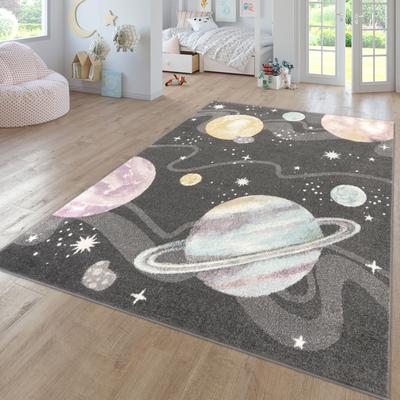
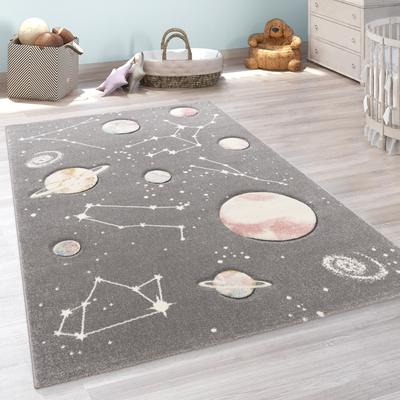
Paco Home Kids Rug Space with Planets and Stars in Pastel ColorsFuel your child's imagination with this space rug in different pastel colors. Featuring planets, stars and flowing swirls, the rug creates a muted yet comfortable space for your kids to rest or play.94,82 $*Shipping: 0,00 $Secure redirect to the provider
-
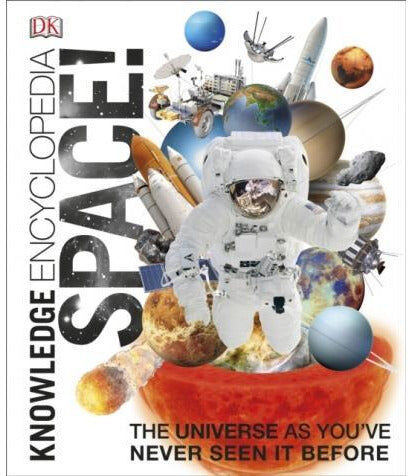
Dorling Kindersley DK Knowledge Encyclopedia Space The Ultimate Space & Astronomy Reference Guide for Kids and Families - Planets, Stars, Galaxies & the Universe ExplainExplore the wonders of the universe with the DK Knowledge Encyclopedia Space, an inspiring and visually stunning guide to outer space.Packed with high-definition photographs, 3D illustrations, infographics, facts, timelines, and scientific explanations, this encyclopedia takes readers on an unforgettable journey from Earth to the farthest reaches of the cosmos. Perfect for curious readers, young astronomers, and space enthusiasts, this book explains: The solar system, planets, moons, and dwarf planets Stars, nebulas, black holes, galaxies & cosmic phenomena Space exploration, astronauts & spacecraft The Big Bang, universe evolution & future missions The latest science discoveries explained in kid-friendly language A brilliant educational book for STEM learners, classrooms, home libraries, and children aged 8–14 who love space.9,99 £*Shipping: 2,99 £Secure redirect to the provider

-
What is an evolutionary brake?
An evolutionary brake refers to a factor or mechanism that slows down or limits the rate of evolution within a population or species. This can include environmental factors, such as limited resources or harsh conditions, that restrict the ability of individuals with certain traits to survive and reproduce. Additionally, genetic factors, such as mutations that are detrimental to an organism's survival or reproduction, can act as evolutionary brakes by preventing those traits from becoming more common in a population. Overall, evolutionary brakes help to maintain genetic diversity and prevent rapid and potentially harmful changes in a population. **
-
Do blood types have evolutionary advantages?
Yes, blood types are believed to have evolutionary advantages. For example, the ABO blood group system is thought to have evolved as a way to protect against certain diseases. Individuals with type O blood are less susceptible to severe malaria, while those with type A blood may have a higher risk of developing certain types of cancer. Additionally, the Rh factor in blood types is thought to have evolved as a way to protect against certain infections. Overall, blood types are believed to have evolved as a way to provide some level of protection against various diseases and infections. **
-
What are evolutionary directions in biology?
Evolutionary directions in biology refer to the changes and adaptations that occur in living organisms over time. These changes can include the development of new traits, behaviors, or structures that help organisms better survive and reproduce in their environment. Evolutionary directions can also involve the branching out of new species from a common ancestor, leading to the diversity of life we see today. By studying these evolutionary directions, scientists can gain insights into the history and relationships of different species, as well as how organisms may continue to evolve in the future. **
-
What is the evolutionary factor selection?
Evolution by natural selection is the process by which organisms with advantageous traits are more likely to survive, reproduce, and pass on those traits to their offspring. This leads to the gradual accumulation of beneficial traits in a population over generations, resulting in the adaptation of organisms to their environment. The key components of natural selection are variation in traits, heritability of those traits, and differential reproductive success based on those traits. Ultimately, natural selection is the driving force behind the diversity of life on Earth. **


Are there evolutionary reasons for ADHD?
There is evidence to suggest that there may be evolutionary reasons for ADHD. Some researchers propose that the traits associated with ADHD, such as impulsivity and hyperactivity, may have been advantageous in certain ancestral environments. For example, individuals with ADHD traits may have been better suited for tasks that required quick decision-making and action, such as hunting or gathering. However, in modern society, these traits can be disruptive and impairing, leading to the diagnosis of ADHD. Further research is needed to fully understand the evolutionary origins of ADHD. **
Can one force an evolutionary change?
Evolutionary change occurs over long periods of time through natural selection, genetic mutation, and other factors. It is not possible to force an evolutionary change in a specific direction or within a short period of time. However, humans have influenced the evolution of certain species through selective breeding and genetic engineering. These interventions can lead to changes in the genetic makeup of a population, but they are not considered natural evolutionary processes. Overall, while humans can influence the genetic makeup of a population, they cannot force an evolutionary change in the traditional sense. **
Top-Angebote
Products related to Evolutionary:
-
Harper Perennial Sex at Dawn: How We Mate, Why We Stray by Christopher Ryan & Cacilda Jethá - Paperback Non-Fiction - Evolutionary Psychology BestsellerSex at Dawn: How We Mate, Why We Stray is a thought-provoking exploration of human sexual evolution. Christopher Ryan and Cacilda Jethá challenge the standard narrative that humans are naturally monogamous, drawing on anthropology, primatology, and archaeology. This accessible and engaging paperback blends rigorous research with storytelling, inviting readers to rethink their assumptions about desire, fidelity, and the origins of modern romantic relationships. Written for curious readers, the book presents a bold and provocative argument that early humans lived in cooperative, egalitarian groups where food, childcare, and sexual partners were often shared. The authors draw on evidence from various fields to support their claim, offering a fresh perspective on human relationships and behavior. Published by Harper Perennial, this paperback is a new release with the ISBN 9780061707810.5,99 £*Shipping: 2,99 £Secure redirect to the provider
-
MDA Rugs Kids Collection Stars, Planets, & Cheerful Animals Navy RugTransform your child's play area into a colorful and engaging space with this captivating Kids Area Rug. It features a brilliant blue backdrop adorned with adorable stars, cheerful animals, and planets.150,49 $*Shipping: 0,00 $Secure redirect to the provider
-
Paco Home Kids Rug Space with Planets and Stars in Pastel ColorsFuel your child's imagination with this space rug in different pastel colors. Featuring planets, stars and flowing swirls, the rug creates a muted yet comfortable space for your kids to rest or play.94,82 $*Shipping: 0,00 $Secure redirect to the provider
-
Do all evolutionary factors have to act in synthetic evolutionary theory?
In synthetic evolutionary theory, not all evolutionary factors have to act in isolation. Instead, the theory emphasizes the interaction and integration of multiple factors, such as genetic variation, natural selection, genetic drift, and gene flow, in shaping the evolutionary process. This approach recognizes that evolution is a complex and multifaceted phenomenon, and that the combined effects of these factors can lead to the emergence of new traits and species. By considering the interactions among these factors, synthetic evolutionary theory provides a more comprehensive understanding of the evolutionary process. **
-
Is love of evolutionary origin?
Yes, the concept of love is believed to have evolutionary origins. Evolutionary psychologists suggest that love developed as a mechanism to promote bonding and cooperation between individuals, which increased the chances of survival and reproduction. The feelings of attachment, care, and protection associated with love are thought to have evolved to ensure the successful raising of offspring. Therefore, love is considered to have evolved as an adaptive trait that has persisted over time due to its benefits for human survival and reproduction. **
-
What is an evolutionary brake?
An evolutionary brake refers to a factor or mechanism that slows down or limits the rate of evolution within a population or species. This can include environmental factors, such as limited resources or harsh conditions, that restrict the ability of individuals with certain traits to survive and reproduce. Additionally, genetic factors, such as mutations that are detrimental to an organism's survival or reproduction, can act as evolutionary brakes by preventing those traits from becoming more common in a population. Overall, evolutionary brakes help to maintain genetic diversity and prevent rapid and potentially harmful changes in a population. **
-
Do blood types have evolutionary advantages?
Yes, blood types are believed to have evolutionary advantages. For example, the ABO blood group system is thought to have evolved as a way to protect against certain diseases. Individuals with type O blood are less susceptible to severe malaria, while those with type A blood may have a higher risk of developing certain types of cancer. Additionally, the Rh factor in blood types is thought to have evolved as a way to protect against certain infections. Overall, blood types are believed to have evolved as a way to provide some level of protection against various diseases and infections. **
Similar search terms for Evolutionary
-
Dorling Kindersley DK Knowledge Encyclopedia Space The Ultimate Space & Astronomy Reference Guide for Kids and Families - Planets, Stars, Galaxies & the Universe ExplainExplore the wonders of the universe with the DK Knowledge Encyclopedia Space, an inspiring and visually stunning guide to outer space.Packed with high-definition photographs, 3D illustrations, infographics, facts, timelines, and scientific explanations, this encyclopedia takes readers on an unforgettable journey from Earth to the farthest reaches of the cosmos. Perfect for curious readers, young astronomers, and space enthusiasts, this book explains: The solar system, planets, moons, and dwarf planets Stars, nebulas, black holes, galaxies & cosmic phenomena Space exploration, astronauts & spacecraft The Big Bang, universe evolution & future missions The latest science discoveries explained in kid-friendly language A brilliant educational book for STEM learners, classrooms, home libraries, and children aged 8–14 who love space.9,99 £*Shipping: 2,99 £Secure redirect to the provider
-
Arcturus Children's Encyclopedia of Space by Giles Sparrow Visual Guide to the Universe, Planets, Stars & Solar System Astronomy Reference Book for KidsJourney beyond Earth and discover the wonders of the cosmos with Children's Encyclopedia of Space: A Visual Guide to the Universe by Giles Sparrow. Part of the Arcturus Children's Reference Library, this engaging visual encyclopedia introduces young readers to the fascinating world of space, astronomy and the universe. Explore the Solar System, planets, moons, stars, galaxies and other extraordinary objects in space while developing an understanding of the vast universe beyond our planet. Presented as an accessible visual reference guide, the book makes complex astronomical topics engaging and easier for young readers to explore. Ideal for children fascinated by planets, stars, space exploration and astronomy, this encyclopedia encourages curiosity and provides a useful resource for independent reading, homework, school projects and general knowledge. Whether learning about our neighbouring planets or exploring the mysteries of distant stars and galaxies, Children's Encyclopedia of Space is a valuable addition to any young space enthusiast's bookshelf. Key Features Engaging children's space encyclopedia Written by astronomy author Giles Sparrow A visual guide to the universe and outer space Explores planets, stars, moons, galaxies and the Solar System Introduces astronomy in an accessible format for young readers Ideal for school projects, homework and independent learning Part of the Arcturus Children's Reference Library Excellent educational gift for young space and science enthusiasts5,99 £*Shipping: 2,99 £Secure redirect to the provider
-
Paco Home Kids Rug Space with Planets and Stars in Pastel ColorsFuel your child's imagination with this space rug in different pastel colors. Featuring planets, stars and flowing swirls, the rug creates a muted yet comfortable space for your kids to rest or play.66,49 $*Shipping: 0,00 $Secure redirect to the provider
-
What are evolutionary directions in biology?
Evolutionary directions in biology refer to the changes and adaptations that occur in living organisms over time. These changes can include the development of new traits, behaviors, or structures that help organisms better survive and reproduce in their environment. Evolutionary directions can also involve the branching out of new species from a common ancestor, leading to the diversity of life we see today. By studying these evolutionary directions, scientists can gain insights into the history and relationships of different species, as well as how organisms may continue to evolve in the future. **
-
What is the evolutionary factor selection?
Evolution by natural selection is the process by which organisms with advantageous traits are more likely to survive, reproduce, and pass on those traits to their offspring. This leads to the gradual accumulation of beneficial traits in a population over generations, resulting in the adaptation of organisms to their environment. The key components of natural selection are variation in traits, heritability of those traits, and differential reproductive success based on those traits. Ultimately, natural selection is the driving force behind the diversity of life on Earth. **
-
Are there evolutionary reasons for ADHD?
There is evidence to suggest that there may be evolutionary reasons for ADHD. Some researchers propose that the traits associated with ADHD, such as impulsivity and hyperactivity, may have been advantageous in certain ancestral environments. For example, individuals with ADHD traits may have been better suited for tasks that required quick decision-making and action, such as hunting or gathering. However, in modern society, these traits can be disruptive and impairing, leading to the diagnosis of ADHD. Further research is needed to fully understand the evolutionary origins of ADHD. **
-
Can one force an evolutionary change?
Evolutionary change occurs over long periods of time through natural selection, genetic mutation, and other factors. It is not possible to force an evolutionary change in a specific direction or within a short period of time. However, humans have influenced the evolution of certain species through selective breeding and genetic engineering. These interventions can lead to changes in the genetic makeup of a population, but they are not considered natural evolutionary processes. Overall, while humans can influence the genetic makeup of a population, they cannot force an evolutionary change in the traditional sense. **
* All prices are inclusive of VAT and, if applicable, plus shipping costs. The offer information is based on the details provided by the respective shop and is updated through automated processes. Real-time updates do not occur, so deviations can occur in individual cases. ** Note: Parts of this content were created by AI.